
Nutrition Guide
Best Protein Powder After Bariatric Surgery: What the Numbers Say

By David Gans, gastric bypass patient covering all WLS multivitamins
Protein was the first thing my bariatric team drilled into me after surgery in January 2024. Not the flashiest topic, but the one that showed up on every post-op instruction sheet I received. I learned fast that hitting 60 to 100 grams a day on a stomach the size of an egg is harder than it sounds.
Key Facts
- Johns Hopkins says the protein goal after bariatric surgery is usually 60 to 100 grams per day.
- A strong serving should provide 20 to 30 grams of protein.
- Johns Hopkins looks for under 5 grams of sugar and about 100 to 200 calories per serving.
- Aim for at least 15 grams of protein per 100 calories.
- Whey isolate and casein are among the more concentrated protein sources per serving.
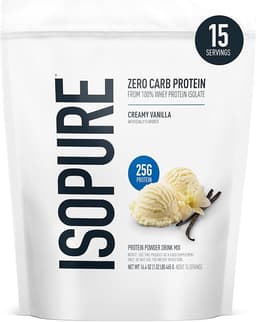
Isopure
Zero Carb Whey Isolate Vanilla
25g protein, lactose free, gluten free, with added vitamins. 28K+ reviews.
Buy on Amazon →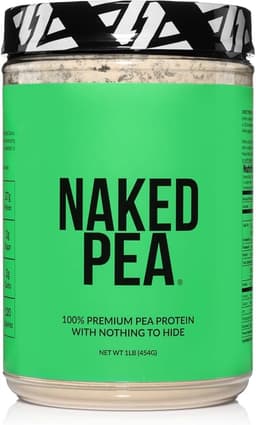
NAKED
Pea Protein Isolate
Single ingredient, no fillers or additives, 27g protein, NSF Certified, vegan.
Buy on Amazon →Why is protein so important after bariatric surgery?
Because low intake is almost guaranteed early on, and protein affects muscle, healing, and daily energy.
After bypass or sleeve, the stomach holds much less than before. You eat small portions. You fill up fast. Protein still has to be the priority at every meal, but there is simply less room to get it all from food. That gap is where protein powder earns its place.
Johns Hopkins says the daily protein target after surgery is usually 60 to 100 grams. That is a real range, not a loose suggestion. It reflects how much lean mass and recovery depend on consistent protein during the weight loss phase and beyond. If intake falls short regularly, muscle loss becomes a real concern. Hair loss risk goes up. Fatigue gets worse.
Early after surgery, chewing dense proteins can also be hard. Chicken, steak, and other solid proteins may not sit well for weeks. A shake fills that gap without forcing food that does not go down easily.
What makes a protein powder bariatric-friendly?
The label has to match post-op needs, not just general fitness marketing.
Johns Hopkins gives a useful filter. Look for 20 to 30 grams of protein per serving, under 5 grams of sugar, and about 100 to 200 calories. That keeps the product concentrated enough to be useful without loading unnecessary calories or sugar into a stomach with limited space.
I also like the protein density test. Aim for at least 15 grams of protein per 100 calories. If a product gives you 25 grams of protein for 200 calories, the math works. If it gives you 15 grams for 200 calories, the calories are not working hard enough.
Bariatric patients do not have the same margin for low-quality calories that someone in general fitness might have. Every sip needs to count.
What type of protein is best after bariatric surgery?
Whey isolate is often a strong first choice, but plant-based protein works too if it is well tolerated.
Whey protein isolate is popular after bariatric surgery for good reasons. It is quickly absorbed, usually higher in protein per calorie than other sources, and lower in lactose than whey concentrate. For patients who do not have dairy intolerance, whey isolate often hits the label numbers cleanly.
Whey concentrate is also fine for many patients, though it can cause more bloating in some people. Casein is a slower-digesting option that works well at night or for a more sustained effect. Plant proteins like pea, hemp, or rice blends can work if dairy is a problem, though some plant proteins need to be blended to get a complete amino acid profile.
What matters most is not which protein source sounds best in theory. It is which one you can consistently drink, digest without issues, and afford over the long term.
Comparing bariatric multivitamins? See all 15 options ranked by price →
How much protein powder should you use each day?
Enough to help you hit your daily target, not more than you need.
The goal is 60 to 100 grams of protein total per day. Powder is one tool to get there. If you can get 40 grams from food and need 60 to 80 total, one shake a day may be enough. If early post-op eating is still very limited, two smaller shakes might be needed.
I would not treat protein powder as a permanent replacement for food. The long-term goal is to get most protein from real food, with powder as a backup and a top-up tool. Early on, the balance shifts more toward powder. Over time, food should carry more of the load as tolerance improves.
What should you avoid in a protein powder?
High sugar, high calorie density, and large serving volumes are the main problems to watch.
Some protein products are designed for athletes looking to add bulk. Those tend to be high calorie, high carb, and sometimes high sugar. That profile is not what bariatric patients need. You are not trying to bulk. You are trying to maintain lean mass while losing weight, and you are doing it with very limited stomach space.
I also watch for added fillers, thickeners, and artificial ingredients that can cause bloating or discomfort. Not because they are dangerous, but because post-op digestion is more sensitive and some additives cause problems for people who were fine with them before surgery.
The serving size also matters practically. A product designed to be mixed in 16 oz of liquid can be hard to drink in one sitting early after surgery. A more concentrated powder that mixes in 6 to 8 oz is often easier to finish.
Can protein powder help with hair loss and muscle loss?
It can help support the basics, but it works best as part of a full bariatric routine.
Johns Hopkins says early hair loss after surgery is often due to the operation and rapid weight loss and usually resolves on its own. It also says adequate protein and the recommended vitamins and minerals help prevent deficiency-related hair loss. So yes, protein matters. But powder alone does not fix every reason hair sheds after surgery.
The same goes for muscle loss. Rapid weight loss puts lean mass at risk if protein is too low. Hitting the daily goal gives your body better support during that phase. A high-quality powder can help you get there, especially if chewing dense proteins still feels hard.
The bottom line
Pick the powder that hits bariatric numbers and that you will actually keep using. The best product is not the trendiest. It is the one that gets you to 60 to 100 grams of protein a day without too much sugar, too many calories, or too much volume. Johns Hopkins gives those filters clearly. Use them.
I would also keep the choice simple. If a product tastes decent, sits well, mixes easily, and fits your numbers, that is enough. You do not need perfection. You need consistency.
Best Protein Powder After Bariatric Surgery Quick Reference
- Target protein intake is usually 60 to 100 grams per day after surgery.
- A strong supplement usually gives 20 to 30 grams protein per serving.
- Keep sugar under 5 grams and calories around 100 to 200 per serving.
- Aim for at least 15 grams of protein per 100 calories.
- Use powder to support meals, not replace real food forever.
- Pick the format you tolerate and will actually use every day.
Product recommendations coming in a separate sprint
The full list of protein powders ranked by these criteria will be added in a dedicated Article Product Recommendations update. This article covers the selection framework so you can evaluate any product you see, rather than rely on a small placeholder list. For the bariatric multivitamin comparison, see the live compare page below.
Ready to find your bariatric multivitamin?
We compared all 15 bariatric multivitamins, manufacturer-labeled for gastric bypass, sleeve, and mini-bypass patients, ranked by price per day. Updated monthly.
Compare All 15 Bariatric Multivitamins →Frequently Asked Questions
What is the best protein powder after bariatric surgery?
The best one fits bariatric targets and you tolerate consistently. Look for 20 to 30 grams protein, under 5 grams sugar, and 100 to 200 calories per serving.
How much protein do I need per day after bariatric surgery?
Enough to help reach 60 to 100 grams daily. Some need one shake, others two early on.
Is whey or plant protein better after bariatric surgery?
Both can work if the label is strong and tolerated well. Whey is more concentrated, plant blends help if dairy is an issue.
Can protein shakes replace meals after bariatric surgery?
Early on yes, but long term powder should support meals, not replace them.
Related Articles
Hair Loss After Bariatric Surgery
Why hair sheds after surgery and what protein and vitamins can do.
Read →Zinc Deficiency After Bariatric Surgery
Zinc deficiency affects up to 40% after bypass. Learn symptoms and prevention.
Read →Best Multivitamin After Gastric Bypass
Top-ranked bypass vitamins ranked by price per day.
Read →Looking for surgery-specific guides?
This site covers every WLS patient. If you want content tuned to one surgery type, the Dutch Goose network has two dedicated sites.