
Lab Guide
Zinc Deficiency After Bariatric Surgery: Symptoms and Prevention

By David Gans, gastric bypass patient covering all WLS multivitamins
People often focus on iron, B12, and calcium. I understand that. I did too. But zinc matters more than most people think after bariatric surgery, especially when food volume is low and the supplement routine gets messy.
Key Facts
- ASMBS reports zinc deficiency in 24% to 28% of weight loss surgery samples overall before surgery.
- ASMBS reports zinc deficiency after surgery in about 40% after gastric bypass and 19% after sleeve gastrectomy.
- Johns Hopkins says bariatric multivitamins should contain 8 to 22 mg zinc and 1 to 2 mg copper daily.
- ASMBS recommends about 1 mg copper for every 8 to 15 mg elemental zinc to reduce copper deficiency risk.
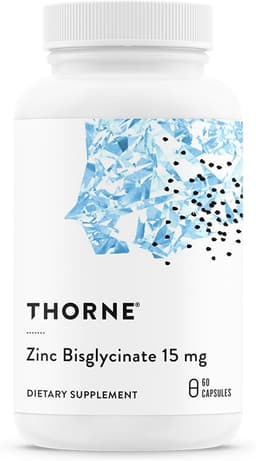
Thorne
Zinc Bisglycinate 15mg
Exact 15mg target, bisglycinate chelate form, third-party certified.
Buy on Amazon →What is zinc deficiency after bariatric surgery?
It is a common micronutrient problem that can affect hair, skin, healing, appetite, and lab work.
Zinc sounds like a small mineral, but after bariatric surgery it can create big visible problems. ASMBS reports zinc deficiency in 24% to 28% of weight loss surgery samples overall even before surgery. After surgery, the numbers remain meaningful. The guideline reports zinc deficiency in about 40% after gastric bypass and about 19% after sleeve. That is not rare.
What makes zinc tricky is that the symptoms can look familiar and easy to misread. Hair shedding. Rashes. Slow wound healing. Poor appetite. Sometimes diarrhea. Sometimes taste changes. Patients may assume all of that is just part of recovery, but zinc can be one piece of the puzzle.
Why are both bypass and sleeve patients at risk for zinc deficiency?
Because intake is lower after surgery, and absorption can be reduced, especially after bypass.
Bariatric surgery changes the way you eat right away. Food volume drops. Protein takes priority. Some foods become hard to tolerate. That already creates room for lower zinc intake. With gastric bypass, there is also reduced access to some of the usual absorption areas, which pushes risk higher.
For sleeve patients, the issue is usually more about lower intake and diet quality. For bypass patients, it is intake plus altered absorption. Different mechanism, same conclusion. Zinc deserves more respect after surgery than many people realize.
What are the symptoms of low zinc?
Hair loss, skin issues, low appetite, poor healing, and taste changes are some of the common clues.
ASMBS lists alopecia, skin lesions or rashes, diarrhea, impaired appetite, recurrent infections, and delayed wound healing among the signs tied to zinc deficiency. That list is useful because it reminds you zinc is not just about one symptom. It can show up in several body systems at once.
The appetite and taste side also get overlooked. If food tastes off, interest in eating drops, or wounds seem slow to settle, I think zinc becomes a smart thing to discuss with the team.
How often should bypass and sleeve patients be checked?
At least annually after bypass, and sooner when symptoms suggest a problem.
ASMBS says post-RYGB patients should be screened at least annually for zinc deficiency. It also says zinc should be evaluated when a post-op patient looks like they may have iron deficiency anemia but the iron workup is negative, and in patients with chronic diarrhea.
For sleeve patients, screening patterns depend more on symptoms and the bariatric team's routine lab schedule, but the principle stays the same. If the signs point toward zinc, check zinc.
Comparing bariatric multivitamins? See all 15 options ranked by price →
How much zinc should a bariatric multivitamin contain?
Johns Hopkins says a bariatric multivitamin should usually provide 8 to 22 mg zinc and 1 to 2 mg copper daily.
This is where label reading becomes useful. Johns Hopkins lists 8 to 22 mg zinc daily and 1 to 2 mg copper daily as the kind of coverage expected in a bariatric multivitamin. If your product has barely any zinc or no copper, it is probably not designed well for bariatric use.
ASMBS adds another crucial point. To minimize copper deficiency risk, supplementation should provide about 1 mg copper for every 8 to 15 mg elemental zinc. That ratio matters because zinc and copper affect each other.
Should bypass and sleeve patients take extra zinc for hair loss?
Not automatically. Hair loss needs a broader workup than zinc alone.
Johns Hopkins says early hair loss is often tied to surgery and rapid weight loss and usually resolves on its own. It also says adequate protein and the recommended vitamins and minerals help prevent deficiency-related hair loss. That means the first move is not always more zinc. The first move is to look at the whole picture.
Are you hitting 60 to 100 grams of protein. Are you taking a real bariatric multivitamin every day. Have iron, ferritin, zinc, and other labs been reviewed. Are you still losing weight very quickly. Those questions matter more than buying one extra bottle.
The bottom line on zinc deficiency
It is common enough that you should build prevention into your routine, not wait for symptoms to prove it.
Prevention starts with a complete bariatric multivitamin that actually includes meaningful zinc and copper. After that, it is about regular labs, noticing symptoms early, and not assuming that hair loss or skin changes are just random.
Zinc Deficiency After Bariatric Surgery Quick Reference
- ASMBS: zinc deficiency in about 40% after bypass, 19% after sleeve.
- Johns Hopkins multivitamin target: 8 to 22 mg zinc and 1 to 2 mg copper daily.
- Symptoms: hair loss, skin rashes, poor appetite, slow healing, taste changes.
- Bypass patients screened at least annually per ASMBS.
- Copper ratio: 1 mg copper per 8 to 15 mg zinc to prevent copper deficiency.
- Do not self-supplement without checking labs first.
Ready to find your bariatric multivitamin?
We compared all 15 bariatric multivitamins, manufacturer-labeled for gastric bypass, sleeve, and mini-bypass patients, ranked by price per day. Updated monthly.
Compare All 15 Bariatric Multivitamins →Frequently Asked Questions
How common is zinc deficiency after bariatric surgery?
ASMBS reports zinc deficiency in about 40% after gastric bypass and about 19% after sleeve. It is one of the more common micronutrient problems after surgery, especially after bypass where absorption is also affected.
What are the symptoms of zinc deficiency after bariatric surgery?
Hair loss, skin rashes, poor appetite, delayed wound healing, and taste changes are common signs. ASMBS lists these specifically as possible signs of zinc deficiency in post-op patients.
How much zinc do I need after bariatric surgery?
Johns Hopkins says a bariatric multivitamin should provide 8 to 22 mg zinc daily. ASMBS also recommends keeping copper in balance, roughly 1 mg copper for every 8 to 15 mg zinc, to prevent copper deficiency from high zinc intake.
Should I take extra zinc for hair loss after bariatric surgery?
Not automatically. Hair loss after surgery has multiple possible causes including rapid weight loss, low protein, iron issues, and zinc deficiency. Labs should guide zinc correction rather than guessing. If zinc is confirmed low, correction matters, but copper balance needs attention too.
Related Articles
Hair Loss After Bariatric Surgery
Why hair sheds after surgery and what protein and vitamins can do.
Read →Best Protein Powder After Bariatric Surgery
How to choose a bariatric-friendly protein powder using label numbers.
Read →B12 Deficiency After Bariatric Surgery
How B12 deficiency develops silently and how to prevent it.
Read →Looking for surgery-specific guides?
This site covers every WLS patient. If you want content tuned to one surgery type, the Dutch Goose network has two dedicated sites.